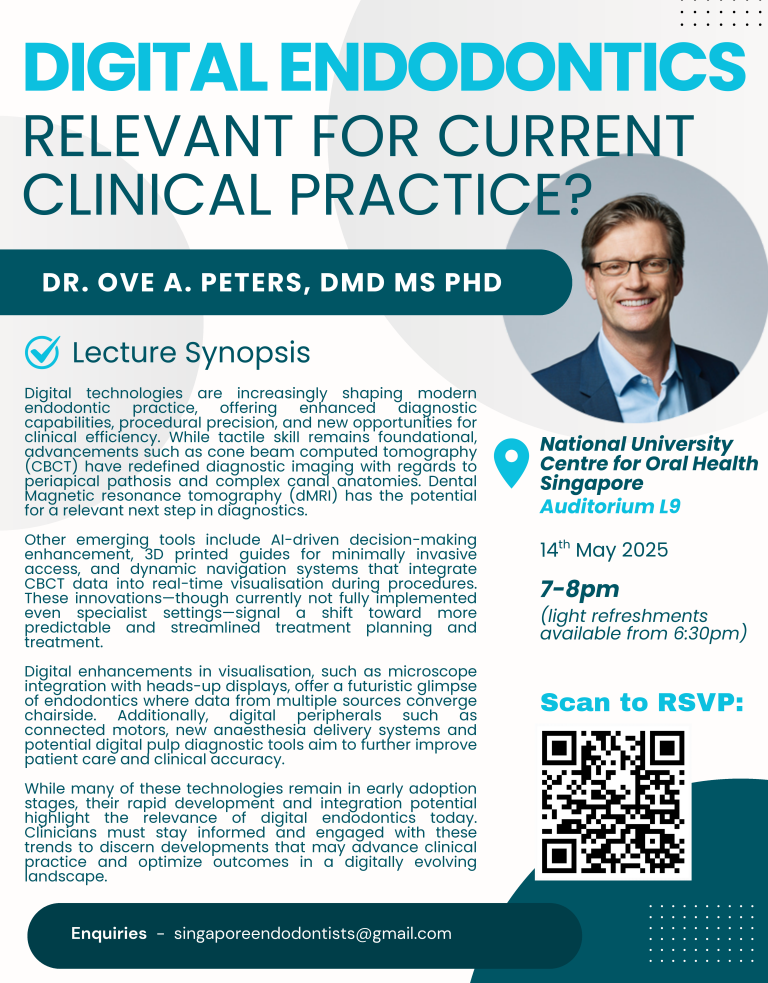
Melbourne Chapter of the NUS Alumni Celebrates Chinese New Year with Festive Cheer
On 7 February 2025, the Melbourne Chapter of the NUS Alumni recently gathered for a joyous Chinese New Year celebration, bringing together local NUS alumni.




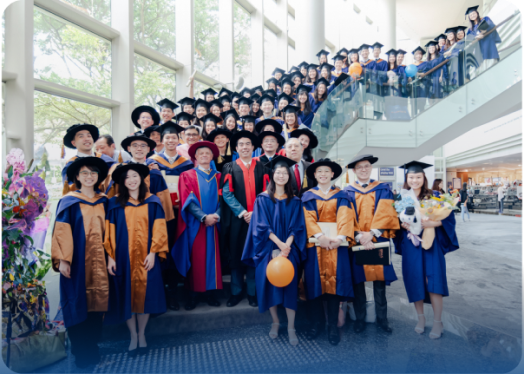
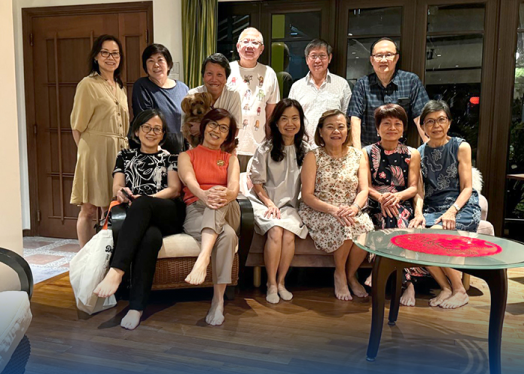
On 7 February 2025, the Melbourne Chapter of the NUS Alumni recently gathered for a joyous Chinese New Year celebration, bringing together local NUS alumni.
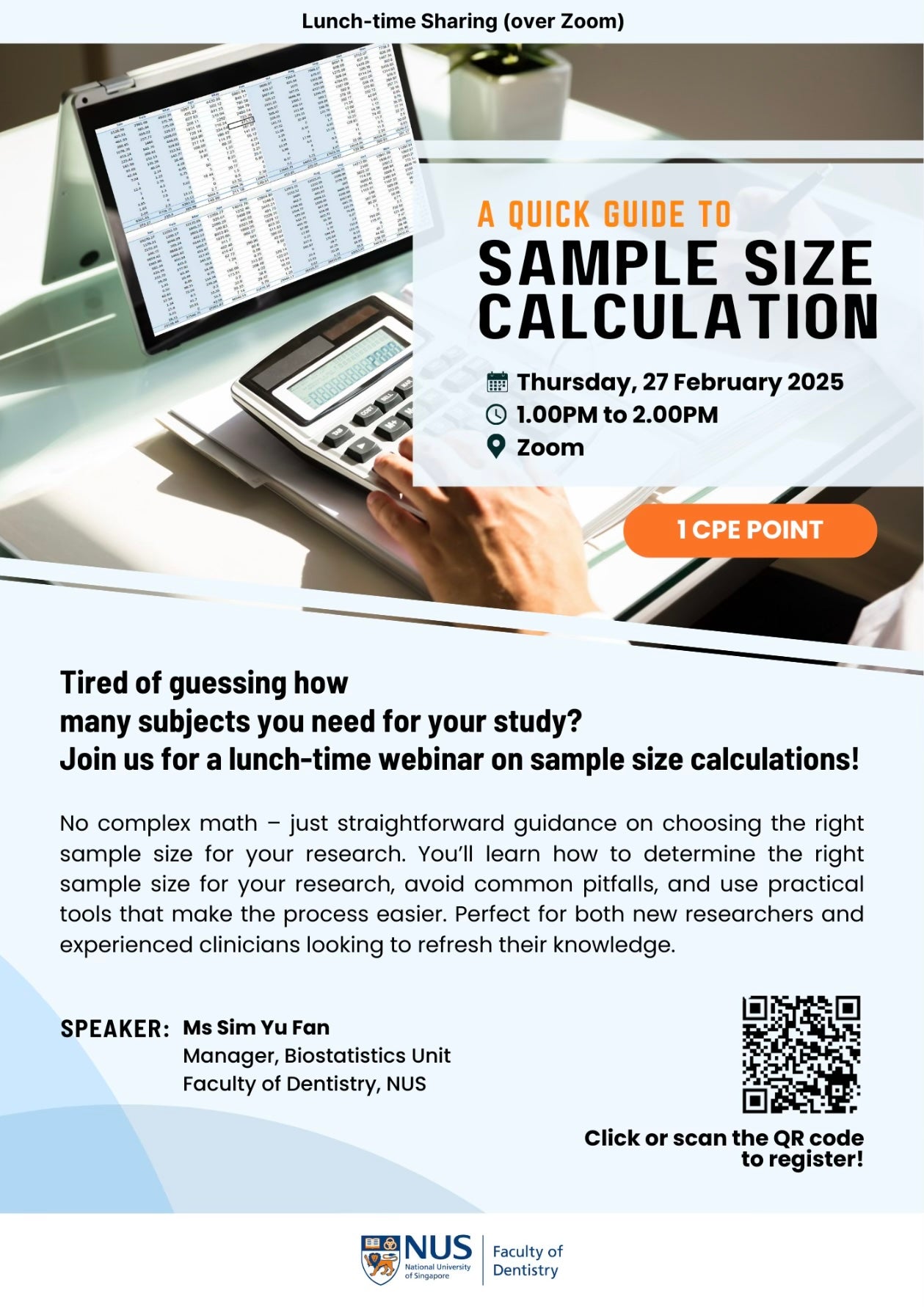
DATE: 27 February 2025 TIME: 1:00 pm - 2:00 pm VENUE: Seminar Room S10-6, NUS Faculty of Dentistry, NUCOHS EVENT TYPE: Seminar TARGET AUDIENCE: Students CPE POINTS: 10 ORGANISED BY: CADE Flyer
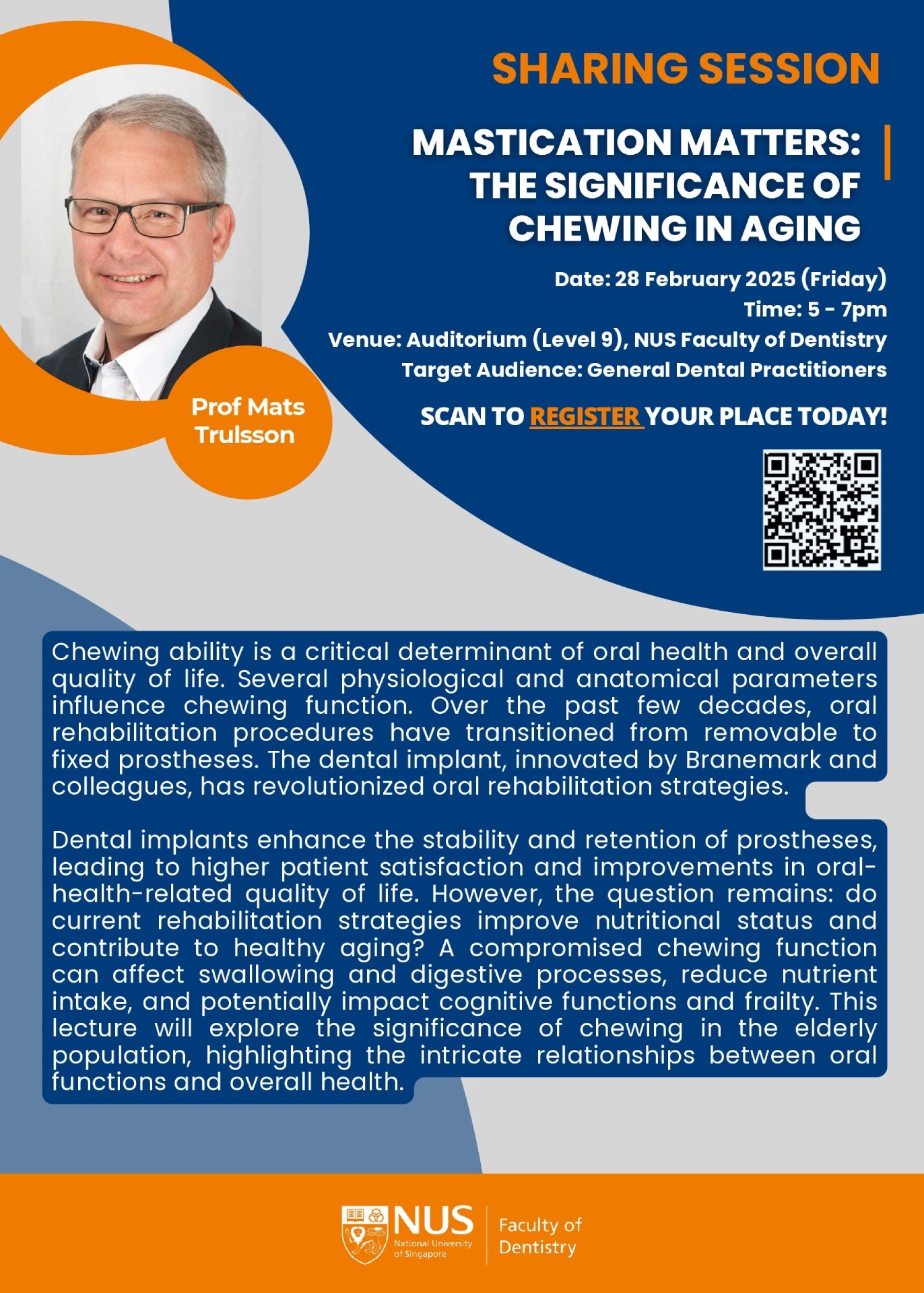
Chewing ability is a critical determinant of oral health and overall quality of life. Several physiological and anatomical parameters influence chewing function. Over the past few decades, oral rehabilitation procedures have transitioned from removable to fixed prostheses. The dental implant, innovated by Branemark and colleagues, has revolutionized oral rehabilitation strategies.
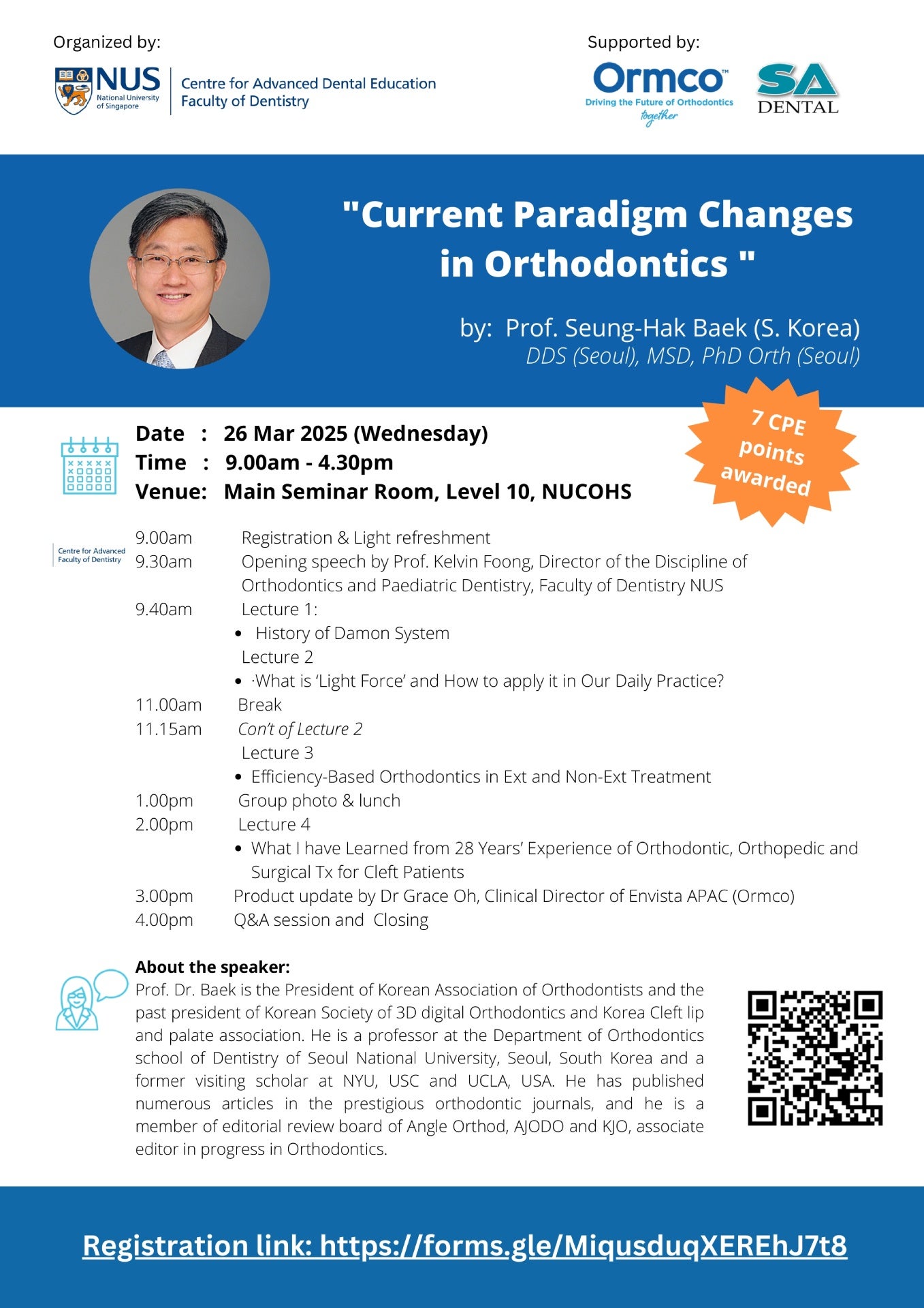
Prof. Dr. Baek is the President of Korean Association of Orthodontists and the past president of Korean Society of 3D digital Orthodontics and Korea Cleft lip and palate association.
Traditionally, clinicians are familiar with full pulpectomy and root canal treatment as the first-line option for managing pulp which is deemed irreversibly inflamed.
Digital technologies are increasingly shaping modern endodontic practice, offering enhanced diagnostic capabilities, procedural precision, and new opportunities for clinical efficiency. While tactile skill remains foundational, advancements such as cone beam computed tomography (CBСT) have redefined diagnostic imaging with regards to periapical pathosis and complex canal anatomies. Dental Magnetic resonance tomography (dMRI) has the potential for a relevant next step in diagnostics. Other emerging tools include Al-driven decision-making enhancement, 3D printed guides for minimally invasive access, and dynamic navigation systems that integrate CBCT data into real-time visualisation during procedures. These innovations-though currently not fully implemented even specialist settings-signal a shift toward more predictable and streamlined treatment planning and treatment.